


Luxury perfumes no longer demand extravagant prices to deliver sophistication and quality. The rise of affordable luxury cruelty-free and vegan perfumes challenges the misconception that premium scents are only accessible to those willing to pay boutique prices. This guide explores how ethical fragrance innovation, sustainable practices, and smart ingredient blending create scents that honor both your values and your budget without compromising on the olfactory experience you deserve.
Table of Contents
- Understanding Affordable Luxury Perfumes: Quality Meets Ethics
- The Innovation Behind Affordable Luxury: Blending Natural And Synthetic Ingredients
- Sustainability, Transparency, And Market Trends Shaping 2026 Fragrances
- Choosing Your Affordable Luxury Perfume: Practical Tips And Ethical Considerations
- Discover Affordable Luxury Cruelty-Free Perfumes At Parfum.NYC
Key takeaways
| Point | Details |
|---|---|
| Quality meets affordability | Affordable luxury perfumes deliver sophisticated scent profiles through innovative ingredient blending at accessible prices. |
| Ethical certifications matter | 60% of consumers actively seek cruelty-free and vegan-certified products, driving market transformation. |
| Synthetic innovation reduces costs | Synthetic ingredients cut production costs by 70% while maintaining complex scent quality. |
| Sustainability drives transparency | Sustainable perfumes prioritize renewable botanicals, exclude harmful chemicals, and embrace ingredient transparency. |
| Market growth accelerates | The affordable luxury fragrance segment grew 15% annually over the past three years. |
Understanding affordable luxury perfumes: quality meets ethics
Affordable luxury perfumes redefine what premium fragrance means in 2026. These scents combine exceptional quality ingredients with ethical production standards at price points that make luxury accessible to passionate fragrance enthusiasts.
The distinction lies in eliminating traditional retail markups while maintaining rigorous quality control. You receive the same sophisticated scent profiles, longevity, and complexity found in designer bottles, but without paying for excessive branding costs. Cruelty-free and vegan perfume brands are gaining popularity, with consumers increasingly prioritizing ethical sourcing and sustainable practices.
Cruelty-free certification guarantees no animal testing occurred during any production stage. Vegan certification confirms the formula contains zero animal-derived ingredients like musk, ambergris, or civet. These ethical standards matter because fragrance enthusiasts recognize that true luxury means respecting both artistry and responsibility.
Consider what drives purchasing decisions today:
- Transparent ingredient sourcing that reveals exactly what touches your skin
- Manufacturing processes that honor environmental stewardship
- Quality formulations that perform as well as traditional luxury options
- Certifications from recognized organizations that validate ethical claims
When you choose cruelty-free perfume, you align personal values with purchasing power. Research confirms that 60% of consumers actively seek cruelty-free and vegan-certified products, transforming how brands formulate and market fragrances. Sophistication no longer requires compromise.
Ethical luxury perfumes maintain performance through careful ingredient selection and expert blending techniques. The result delivers scents that evolve beautifully on your skin, lasting throughout your day while reflecting your commitment to conscious consumption. This approach proves that affordability and ethics enhance rather than diminish the luxury experience.
The innovation behind affordable luxury: blending natural and synthetic ingredients
Modern fragrance technology revolutionizes how perfumers create complex, long-lasting scents at accessible prices. The strategic combination of natural and synthetic ingredients unlocks creative possibilities that pure botanical formulas cannot achieve alone.
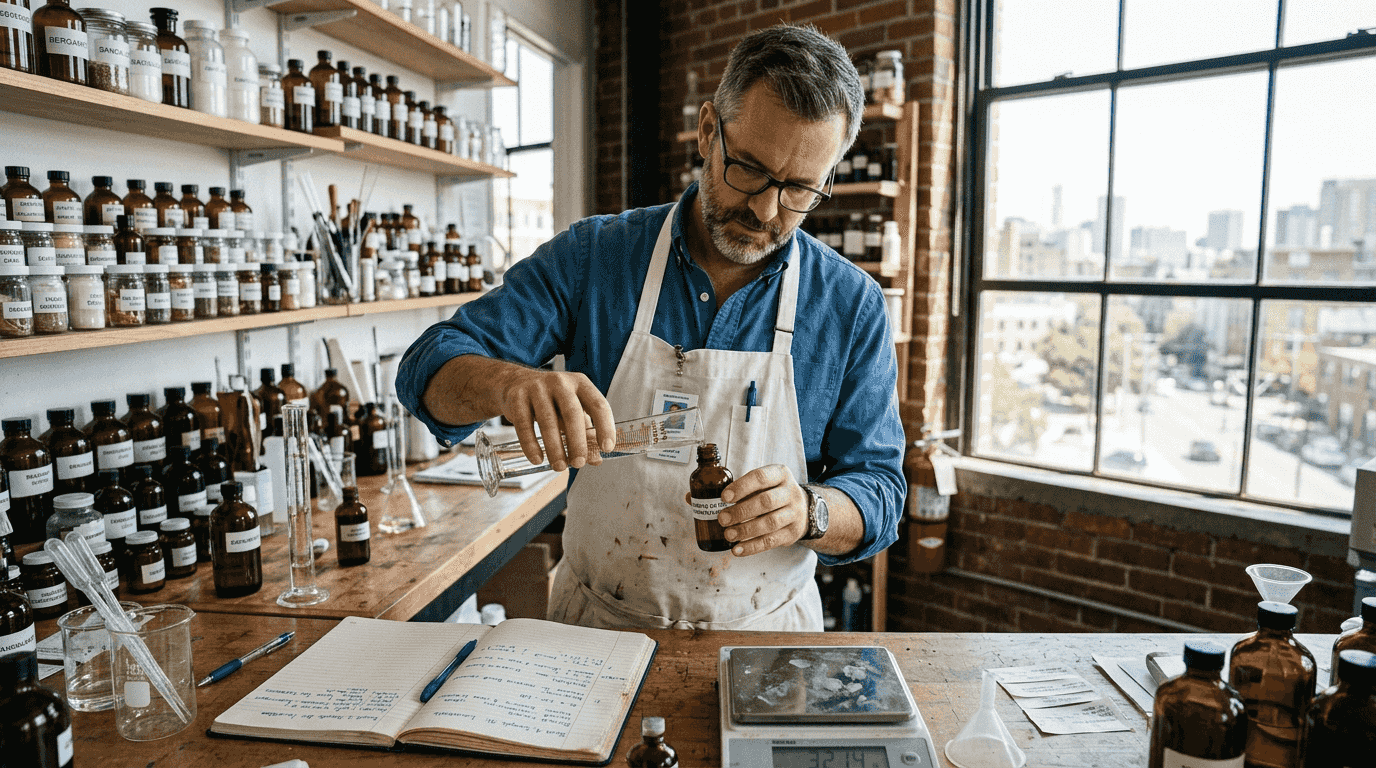
Synthetic ingredients serve as the foundation for cost-effective luxury. These lab-created molecules replicate rare or endangered natural scents with remarkable precision, eliminating ethical concerns about harvesting threatened plant species. Synthetic ingredients reduce production costs by up to 70% while maintaining scent quality, making sophisticated fragrances accessible to more consumers.
The blending process combines the best of both worlds. Natural essential oils provide depth, warmth, and the subtle nuances that connect fragrances to botanical origins. Synthetic components add stability, longevity, and notes impossible to extract from nature. This synergy creates benefits of extrait de parfum formulations that offer exceptional performance.
| Ingredient Type | Advantages | Considerations |
|---|---|---|
| Natural | Authentic botanical character, complex subtlety, emotional resonance | Higher cost, supply variability, potential allergens |
| Synthetic | Consistent quality, ethical sourcing, extended longevity, hypoallergenic options | Requires skilled formulation, quality varies by manufacturer |
| Blended | Optimal cost-performance ratio, creative freedom, sustainable practices | Demands expertise to balance components effectively |
Advances in fragrance technology enable perfumers to craft scents previously reserved for ultra-premium brands. Molecular science identifies exact compounds responsible for beloved notes, then recreates them with precision and purity. This process ensures luxury-inspired perfume quality remains consistently high across production batches.
Key innovations transforming affordable luxury include:
- Headspace technology capturing scent molecules from living flowers without harvesting
- Bioengineering that produces rare ingredients sustainably in controlled environments
- Microencapsulation extending fragrance release for all-day wear
- Green chemistry reducing environmental impact during synthesis
Pro Tip: When evaluating ingredient lists, look for balanced formulations that list both natural essential oils and high-quality synthetic aromachemicals. This combination typically indicates a perfumer prioritized both performance and ethical sourcing.
The result transforms your fragrance wardrobe. You access complex compositions featuring notes like oud, jasmine absolute, or ambergris accords without the astronomical costs or ethical concerns of traditional luxury perfumes. Innovation democratizes sophistication, proving that accessible pricing and exceptional quality coexist beautifully in modern perfumery.
Sustainability, transparency, and market trends shaping 2026 fragrances
The fragrance industry experiences a fundamental shift as consumers demand accountability alongside artistry. Market dynamics in 2026 favor brands that embrace sustainability, transparent practices, and ethical production standards.
The affordable luxury fragrance segment has grown 15% annually over the past three years, signaling a permanent change in consumer priorities. This growth reflects fragrance enthusiasts refusing to choose between quality and values. You expect both, and brands respond by reimagining every aspect of perfume creation.
Sustainable fragrances reject harmful chemicals like phthalates, parabens, and synthetic musks linked to health concerns. Instead, sustainable perfumes prioritize renewable botanicals, exclude harmful chemicals, and embrace transparency in sourcing and manufacturing. Packaging shifts to recyclable materials, refillable bottles, and minimalist designs that reduce waste without sacrificing elegance.
Transparency becomes non-negotiable. Brands share detailed ingredient lists, disclose sourcing practices, and obtain third-party certifications that validate ethical claims. This openness builds trust, allowing you to make informed decisions that align with personal values. When a brand reveals its supply chain, it demonstrates confidence in its practices and respect for your right to know what you wear.
Critical sustainability factors driving 2026 purchases include:
- Carbon-neutral production facilities and offset programs
- Fair trade partnerships with botanical suppliers
- Waterless or water-conserving manufacturing processes
- Biodegradable formulas that minimize environmental persistence
- Cruelty-free and vegan certifications from recognized authorities
Notable brands prove that sustainability and luxury coexist seamlessly. Companies like Clean Reserve, Phlur, and Ellis Brooklyn demonstrate how 2026 ethical luxury scents deliver sophisticated profiles while maintaining rigorous environmental standards. Their success validates consumer demand for responsible luxury.
A truly sustainable perfume leaves only its scent, not a heavy environmental footprint. The future of fragrance honors both artistry and accountability.
The market rewards brands that prioritize these values. Consumers increasingly research before purchasing, seeking evidence of ethical practices rather than accepting marketing claims at face value. This scrutiny drives continuous improvement across the industry, benefiting everyone who values cruelty-free luxury perfume preference in their fragrance choices.
Transparency extends beyond ingredients to include pricing structures. Affordable luxury brands openly discuss how direct-to-consumer models eliminate traditional retail markups, passing savings to customers without compromising quality. This honesty transforms the purchasing experience from transactional to relationship-based, fostering loyalty among fragrance enthusiasts who appreciate both value and values.
Choosing your affordable luxury perfume: practical tips and ethical considerations
Selecting the perfect affordable luxury perfume requires balancing scent preferences with ethical standards and quality indicators. This systematic approach ensures your choice delivers both olfactory pleasure and peace of mind.
Start by establishing your priorities. Determine which certifications matter most to your values, whether cruelty-free status, vegan formulation, clean ingredients, or sustainable packaging. Research shows 60% of consumers actively seek cruelty-free and vegan-certified products, influencing purchase decisions across beauty categories.
Follow this selection process:
- Verify certifications from recognized organizations like Leaping Bunny, PETA, or Vegan Society rather than relying on brand claims alone.
- Examine ingredient transparency by reviewing full formula disclosures and researching unfamiliar components.
- Consider fragrance concentration, prioritizing eau de parfum or extrait de parfum formulations for superior longevity and value.
- Evaluate brand ethics by investigating sourcing practices, sustainability initiatives, and company values alignment.
- Test scent development by sampling how fragrances evolve on your skin over several hours before committing.
- Compare value propositions across brands, factoring in concentration, bottle size, and ingredient quality alongside price.
Fragrance concentration significantly impacts both performance and cost-effectiveness. Eau de parfum typically contains 15-20% fragrance oils, while extrait de parfum reaches 20-30%, delivering exceptional longevity that justifies slightly higher prices through extended wear time.
When exploring choosing cruelty-free scents, pay attention to how brands communicate their values. Companies genuinely committed to ethics provide detailed information readily, while those practicing “ethics washing” offer vague claims without substantiation. Trust brands that welcome scrutiny and provide evidence.
Pro Tip: Explore niche and independent brands specializing in ethical luxury fragrances. These smaller companies often innovate faster than established houses, offering unique scent profiles crafted with meticulous attention to both artistry and responsibility.
Consider the complete ownership experience beyond initial scent appeal. Evaluate whether brands offer:
- Refill programs reducing packaging waste and long-term costs
- Sample programs allowing risk-free exploration before full-bottle purchases
- Educational resources explaining ingredients, sourcing, and production
- Responsive customer service addressing questions about formulations and ethics
Understand the advantages of cruelty-free perfume extend beyond animal welfare to include often safer, more transparent ingredient profiles. Brands committed to cruelty-free practices typically scrutinize all aspects of production, resulting in higher overall quality standards.
Your fragrance choice reflects personal identity and values. Designer-inspired luxury perfume options allow you to enjoy sophisticated scent profiles inspired by iconic fragrances while supporting ethical production practices and accessible pricing. This approach honors both your olfactory preferences and your commitment to responsible consumption.
Discover affordable luxury cruelty-free perfumes at Parfum.NYC
Your search for sophisticated, ethically crafted fragrances that honor both quality and values leads directly to Parfum.NYC. This curated destination specializes in high-quality extrait de parfum formulations that deliver designer-inspired scent profiles without compromise.
Explore an extensive affordable luxury perfume collection featuring cruelty-free and vegan options across every scent family. From floral and woody to spicy and gourmand, each fragrance undergoes rigorous quality control to ensure exceptional performance and longevity. The focus remains clear: sophisticated scents at accessible prices, with transparency in every ingredient.
Discover best-selling cruelty-free perfumes that fragrance enthusiasts trust for daily wear and special occasions. These popular choices prove that ethical luxury delivers the complexity, depth, and staying power you expect from premium fragrances. Free shipping on all orders and 30-day satisfaction returns make exploration risk-free.
Experience designer-inspired luxury scents crafted with the same attention to artistry and ethics discussed throughout this guide. Parfum.NYC embodies the affordable luxury movement, offering fragrance enthusiasts a trusted source for scents that honor sophistication, sustainability, and your commitment to cruelty-free beauty.
FAQ
What ingredients qualify a perfume as cruelty-free and vegan?
Cruelty-free perfumes are produced without animal testing at any stage of development or manufacturing. Vegan perfumes contain no animal-derived ingredients such as musk, ambergris, civet, castoreum, or beeswax. Look for certifications from organizations like Leaping Bunny, PETA, or Vegan Society that verify these claims through independent auditing. Many cruelty-free perfume ingredients use plant-based or synthetic alternatives that deliver identical scent profiles without ethical concerns.
How do synthetic ingredients affect perfume quality and price?
Synthetic ingredients enable perfumers to create complex, long-lasting fragrances at significantly lower costs than pure botanical formulations. They provide creative freedom beyond natural ingredient limitations, allowing perfumers to replicate rare scents, enhance longevity, and ensure batch-to-batch consistency. High-quality synthetic ingredients in luxury perfumes often surpass natural alternatives in purity and performance while reducing production costs by up to 70%, making sophisticated scents accessible to more consumers.
Are affordable luxury perfumes less sustainable?
Affordable luxury perfumes can be equally or more sustainable than expensive alternatives when brands prioritize ethical sourcing, clean ingredients, and eco-friendly packaging. Price does not determine sustainability; company values and practices do. Check for transparency in ingredient sourcing, cruelty-free and vegan certifications, recyclable packaging, and carbon-neutral production commitments. Many sustainable affordable luxury perfumes exceed traditional luxury brands in environmental responsibility because they build ethics into their business model from inception.
What are the top benefits of choosing cruelty-free perfumes in 2026?
Choosing cruelty-free perfumes protects animal welfare by ensuring no testing occurred on animals during any production phase. It supports brands committed to sustainable and ethical business practices that extend beyond fragrance to encompass environmental stewardship. Cruelty-free perfumes often feature safer, more transparent ingredient lists because brands scrutinizing animal welfare typically apply the same rigor to human health considerations. The benefits of cruelty-free perfume align personal values with purchasing decisions, creating positive impact while enjoying sophisticated scents.


