


How to choose perfume:
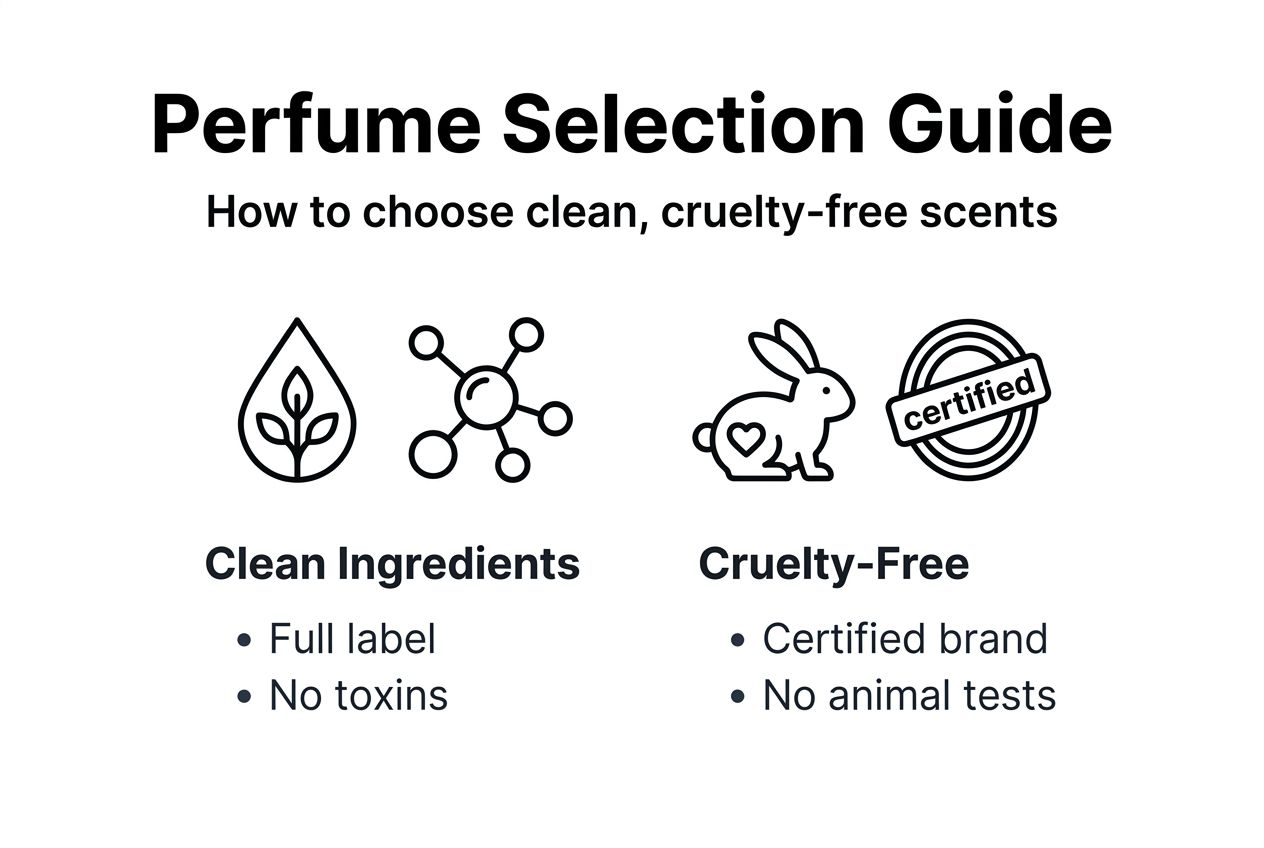
Choosing for perfume shouldn’t feel like gambling with your health and ethics. Many perfume bottles hide thousands of undisclosed ingredients behind the vague label ‘fragrance,’ leaving you vulnerable to harmful chemicals, allergic reactions, and unknowingly supporting animal testing. This guide empowers you to confidently select affordable, clean, cruelty-free perfumes that align with your values and suit your unique scent profile.
Table of Contents
- Understanding Ingredient Transparency And Safety
- Evaluating Cruelty-Free And Ethical Standards
- Considering Affordable Luxury-Inspired Perfume Doops
- Testing, Sampling, And Personalizing Your Scent
- Common Mistakes And How To Avoid Them
- How To Know You’ve Chosen Well: Expected Outcomes
- Explore High-Quality Cruelty-Free Fragrances At Parfum.NYC
- Frequently Asked Questions
Key takeaways
| Point | Details |
|---|---|
| Ingredient transparency matters | Look for full ingredient disclosure to avoid harmful chemicals like phthalates and parabens. |
| Verify cruelty-free status | Check for recognized certifications like Leaping Bunny or PETA logos. |
| Affordable doops deliver quality | Luxury-inspired perfumes offer premium scents at 30-70% lower cost with clean formulations. |
| Test before you commit | Always test perfumes on your skin for 6-8 hours to experience full scent evolution. |
| Price doesn’t guarantee safety | Research ingredients and certifications rather than assuming expensive means better. |
Understanding ingredient transparency and safety
The perfume industry operates with minimal regulation, allowing brands to conceal ingredient lists behind trade secrecy laws. Fragrances can include up to 3,000 ingredients hidden behind ‘fragrance’ or ‘parfum’ labels, making it nearly impossible to know what you’re spraying on your skin daily. This lack of transparency puts you at risk of exposure to endocrine disruptors, allergens, and carcinogens.
The most common harmful chemicals lurking in perfumes include:
- Phthalates that disrupt hormones and reproductive health
- Parabens linked to breast cancer and hormone interference
- Formaldehyde and formaldehyde-releasing preservatives classified as carcinogens
- Synthetic musks that accumulate in body tissue and breast milk
- Benzophenone compounds that act as endocrine disruptors
You deserve better than mystery ingredients. Avoid purchasing perfumes where ‘fragrance’ or ‘parfum’ is listed without full disclosure, as these often contain harmful undisclosed chemicals. Prioritize brands that publish complete ingredient lists on their websites or product packaging, demonstrating their commitment to consumer safety.
Researching non-toxic perfume brands and clean beauty perfumes requires just a few minutes but protects your long-term health. Start by checking brand websites for ingredient transparency policies. If a company refuses to disclose what’s in their products, that’s your signal to walk away.
Pro Tip: Create a list of harmful ingredients on your phone and reference it while shopping. This simple habit helps you quickly eliminate unsafe options and focus on genuinely clean perfumes.
Evaluating cruelty-free and ethical standards
Cruelty-free labeling has become marketing gold, but not all claims hold up under scrutiny. True cruelty-free status means no animal testing occurred at any production stage, including ingredient sourcing, formulation development, and finished product safety verification. Brands with certifications like Leaping Bunny and PETA offer trustworthy cruelty-free perfume options because these organizations conduct rigorous audits.
Understanding the distinction between labels prevents common confusion:
- Cruelty-free confirms no animal testing but doesn’t guarantee vegan ingredients
- Vegan means no animal-derived ingredients but doesn’t confirm testing practices
- Natural indicates plant-based sources but may still contain allergens or untested compounds
- Clean suggests safer formulations but lacks standardized definition
You need to verify both cruelty-free certification and ingredient safety independently. A perfume can be cruelty-free yet contain synthetic chemicals, or vegan while using ingredients tested on animals by suppliers. Cross-reference brand claims with independent certification databases to confirm authenticity.
Exploring cruelty-free perfume benefits reveals how ethical choices support innovation in fragrance chemistry. When you choose certified products, you vote with your wallet for humane testing alternatives and transparent business practices. The advantages of cruelty-free perfume extend beyond ethics to often include cleaner formulations and sustainable sourcing.
Brand reputation matters as much as logos. Research company histories, read customer reviews mentioning ingredient reactions, and check if brands maintain clean and cruelty-free certifications across their entire product lines. Some companies certify only select products while continuing animal testing elsewhere.
Pro Tip: Visit Leaping Bunny and PETA websites directly to search their certified brand databases. Don’t rely solely on logos printed on packaging, as some companies misuse certification marks without authorization.
Considering affordable luxury-inspired perfume doops
Luxury perfumes command premium prices largely due to brand prestige, celebrity endorsements, and elaborate packaging rather than superior ingredients. Affordable doops typically cost 30-70% less than original luxury perfumes while maintaining a similar scent profile with clean formulations. This price difference doesn’t reflect quality gaps but rather eliminated marketing overhead.
Designer-inspired perfume doops work through reverse engineering fragrance formulas. Perfumers analyze luxury scent structures, identifying top, middle, and base notes, then recreate similar olfactory experiences using comparable or superior ingredients. The result delivers the essence of luxury without the inflated cost.
When evaluating doops, prioritize these factors:
- Complete ingredient disclosure showing clean, non-toxic components
- Cruelty-free and vegan certifications from recognized organizations
- Extrait de parfum or eau de parfum concentration for longevity
- Customer reviews specifically mentioning scent accuracy and lasting power
- Return policies allowing you to test risk-free
| Feature | Luxury Original | Quality Doop |
|---|---|---|
| Price | $150-$400 per bottle | $40-$120 per bottle |
| Ingredient transparency | Often limited disclosure | Full ingredient lists available |
| Cruelty-free certification | Varies by brand | Commonly certified |
| Scent longevity | 6-8 hours average | 6-8 hours with quality formulations |
| Packaging luxury | Elaborate, expensive | Minimalist, functional |
The best eco-conscious perfume alternatives combine affordability with ethical production and clean ingredients. You shouldn’t have to choose between your budget and your values. Quality doops prove that luxury-inspired scent quality doesn’t require sacrificing safety or ethics.
Research matters more than price tags. Read detailed cruelty-free perfume brand studies comparing originals to doops on ingredient safety, performance, and customer satisfaction. Many affordable brands outperform luxury counterparts in transparency and ethical practices while delivering comparable scent experiences.
Testing, sampling, and personalizing your scent
Your body chemistry transforms perfume in unique ways that paper test strips can’t reveal. Skin pH, diet, hormones, and even medication alter how fragrance molecules develop and project. Testing perfume on your actual skin for 6-8 hours lets you experience the complete scent journey from fresh top notes through evolving middle notes to lingering base notes.
Follow this testing process for accurate results:
- Apply perfume to clean, moisturized skin on your wrist or inner elbow
- Wait 15 minutes for initial alcohol evaporation before evaluating top notes
- Check scent development at 1 hour, 4 hours, and 6-8 hours
- Note how the fragrance interacts with your natural scent
- Assess if projection and sillage match your preferences
- Monitor for any skin irritation or allergic reactions
Understanding cruelty-free fragrance families helps narrow your search efficiently. Floral families suit romantic, feminine preferences while woody notes appeal to earthy, grounded personalities. Spicy fragrances work for bold, confident wearers, and gourmand scents satisfy those who love sweet, edible notes. Fresh citrus families energize and invigorate.
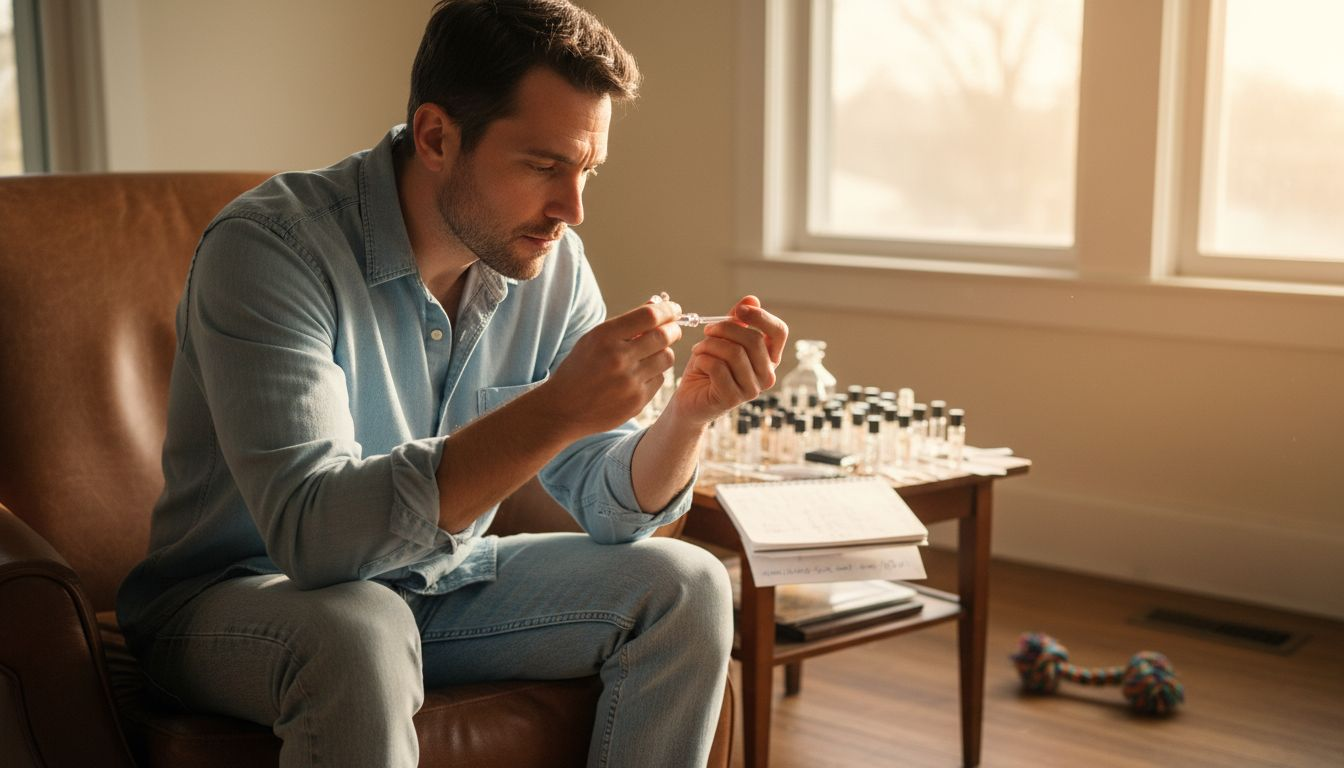
Personalization tools eliminate guesswork and reduce costly trial and error. Take a personalized fragrance quiz to receive curated recommendations matching your style, occasions, and scent preferences. These quizzes consider factors like your favorite flavors, preferred clothing styles, and daily activities to suggest compatible fragrances.
Sample packs offer the smartest way to explore multiple scents without committing to full bottles. Order discovery sets from the cruelty-free perfume collection containing 2-3ml samples of various fragrances. This approach lets you test each scent in real life situations before investing in a full-size bottle.
Pro Tip: Test only one or two perfumes per day on different arms. Your nose experiences olfactory fatigue after smelling three or more scents, making accurate evaluation impossible. Give yourself 24 hours between testing sessions for your scent receptors to reset.
Common mistakes and how to avoid them
Perfume shopping mistakes cost you money, health, and satisfaction. 70% of consumers regret perfume purchases due to scent mismatch or allergic reactions, yet these disappointments are entirely preventable with proper research and testing.
The biggest pitfalls include:
- Buying based on bottle smell without skin testing leads to mismatch when your body chemistry alters the scent
- Ignoring ingredient labels exposes you to harmful chemicals like phthalates and formaldehyde
- Assuming expensive equals safe or high quality, when price often reflects marketing rather than formulation
- Skipping cruelty-free verification risks supporting brands that test on animals
- Testing too many scents simultaneously causes olfactory confusion and poor decisions
- Purchasing large bottles without samples wastes money if the scent doesn’t suit you
Fixing these mistakes requires simple habit changes. Always request samples before committing to full bottles, even if it means waiting a few extra days. Read complete ingredient lists and cross-reference unfamiliar chemicals using safety databases. Verify cruelty-free claims through Leaping Bunny or PETA rather than trusting package labels alone.
Patch testing prevents allergic reactions and skin sensitivities. Apply a small amount of perfume to your inner wrist, cover with a bandage, and wait 24 hours. Any redness, itching, or irritation indicates you should avoid that formula. This precaution takes minimal effort but saves you from painful reactions and wasted products.
Research common perfume buying mistakes to learn from others’ experiences. Customer reviews reveal real-world performance, ingredient reactions, and scent accuracy that marketing materials never disclose. Prioritize detailed reviews mentioning specific skin types, wear times, and ingredient sensitivities matching your concerns.
Don’t rush perfume purchases during sales or limited releases. Quality fragrances remain available, and discounts return regularly. Taking time to research, sample, and verify ensures you invest in scents that truly enhance your life rather than collecting expensive mistakes.
How to know you’ve chosen well: expected outcomes
Successful perfume selection delivers measurable benefits across health, ethics, and personal satisfaction. Your chosen fragrance should last 6-8 hours on your skin with pleasant evolution through top, middle, and base notes. You’ll notice compliments from others without the scent becoming overwhelming or headache-inducing.
Zero allergic reactions or skin irritations confirm you’ve selected a clean, compatible formula. No redness, itching, sneezing, or respiratory discomfort should occur even after extended wear. Your perfume enhances your confidence and mood rather than causing physical discomfort or self-consciousness about projection.
Full ingredient disclosure, verified cruelty-free certification, and absence of harmful chemicals validate your ethical choice. You feel proud wearing a fragrance that aligns with your values, knowing no animals suffered and your health isn’t compromised. The scent becomes an extension of your identity and principles.
Personal alignment matters most. Your fragrance should feel authentically you, matching your personality, style, and the image you want to project. Whether you prefer subtle elegance or bold presence, the right perfume amplifies your natural charisma without feeling like a costume.
Understanding the benefits of cruelty-free perfume extends beyond ethics to include typically cleaner formulations and sustainable practices. You’re supporting brands that innovate responsibly while delivering luxury experiences without the luxury price tag or ethical compromises.
Explore high-quality cruelty-free fragrances at Parfum.NYC
You’ve learned how to identify clean, safe, cruelty-free perfumes that match your values and preferences. Now put that knowledge into action with a curated collection designed specifically for conscious fragrance enthusiasts. Parfum.NYC specializes in affordable, luxury-inspired extrait de parfum featuring complete ingredient transparency and certified cruelty-free formulations.
Discover your signature scent through the clean cruelty-free fragrance collection organized by scent families, occasions, and intensity levels. Every fragrance offers the sophistication of designer perfumes at a fraction of the cost, with full ingredient disclosure and ethical production practices. Browse the luxury-inspired perfume selection to find your perfect match, or explore top-selling perfumes trusted by thousands of satisfied customers.
Free shipping, 30-day returns, and personalized scent finder tools make shopping risk-free and enjoyable. You deserve fragrances that smell incredible, last all day, and align with your commitment to clean beauty and animal welfare.
Frequently asked questions
What does cruelty-free mean in perfumes?
Cruelty-free means the perfume and its ingredients were never tested on animals at any production stage. Certified cruelty-free perfumes carry verification logos from organizations like Leaping Bunny or PETA, which audit company practices. Note that cruelty-free status doesn’t automatically guarantee natural ingredients or vegan formulation, so check both certifications and ingredient lists. Learn more about cruelty-free perfume standards to make informed choices.
How can I test perfume before buying?
Use sample packs or store testers, applying perfume directly to your skin rather than paper strips. Wear the scent for 6-8 hours to experience its full evolution through top, middle, and base notes as it interacts with your body chemistry. Avoid testing multiple perfumes simultaneously, as this causes olfactory confusion and prevents accurate evaluation.
Are expensive perfumes always better quality?
Price reflects brand prestige, marketing costs, and luxury packaging rather than ingredient quality or safety. Affordable luxury-inspired doops often deliver similar scent profiles with cleaner formulations at 30-70% lower cost. Researching ingredient transparency and cruelty-free certifications matters far more than price tags when evaluating perfume quality.
How long should quality perfume last on skin?
Quality extrait de parfum or eau de parfum should last 6-8 hours with noticeable scent evolution. Longevity depends on concentration, your skin’s pH and moisture levels, and the fragrance formula’s base notes. Perfumes with woody, amber, or musk base notes typically last longer than citrus-heavy fragrances.
Can I be allergic to cruelty-free perfumes?
Yes, cruelty-free status addresses animal testing ethics but doesn’t eliminate allergen potential. Natural and synthetic ingredients can both trigger allergies depending on individual sensitivities. Always patch test new perfumes for 24 hours and read complete ingredient lists to identify known allergens before full application.


