


Designer-inspired perfumes have evolved from being seen as cheap copies to premium cruelty-free, vegan, and long-lasting fragrance options. Today’s formulations use extrait de parfum concentrations that rival original designer lines while maintaining ethical ingredient sourcing and transparent production. This article clarifies how these perfumes replicate luxury scents affordably, covering ingredient transparency, ethical sourcing, fragrance trends, and shopping tips tailored for fragrance enthusiasts seeking premium, affordable options.
Table of Contents
- What Are Designer-Inspired Perfumes?
- How Are Designer-Inspired Perfumes Formulated?
- Fragrance Trends Shaping Designer-Inspired Perfumes In 2026
- Ethical Ingredient Sourcing And Sustainability In Designer-Inspired Perfume Production
- Common Misconceptions About Designer-Inspired Perfumes And Cruelty-Free Labels
- How To Choose And Shop For Designer-Inspired Perfumes Today
- Explore Premium Cruelty-Free Designer-Inspired Perfumes At PARFUM.NYC
- FAQ
Key takeaways
| Point | Details |
|---|---|
| Designer-inspired perfumes replicate luxury scents | Uses cruelty-free, vegan ingredients with extrait de parfum concentration for longevity. |
| 2026 fragrance trends emphasize wellness | Skin-friendly formulations and sustainability shape product development. |
| Ingredient transparency builds consumer trust | Ethical sourcing aligns with rising market demand for responsible production. |
| Affordable pricing balances quality | Designer-inspired perfumes range from $27 to $99 per 50ml. |
| Personalized shopping tools enhance discovery | Helps consumers find scents matching their values and preferences. |
What are designer-inspired perfumes?
Designer-inspired perfumes replicate iconic luxury fragrances at more affordable prices without compromising scent quality or ethical standards. These products have transformed from inexpensive copies into premium formulations featuring cruelty-free, vegan ingredients that appeal to conscious consumers.
The difference between designer-inspired perfumes and original designer brands lies primarily in brand origin, ingredient sourcing, and pricing rather than scent quality. While original designer perfumes carry heritage brand prestige and higher price tags, designer-inspired scents focus on delivering comparable olfactory experiences through transparent, ethical formulations.
Historically, designer-inspired perfumes were viewed as cheap alternatives lacking sophistication. Growing consumer demand for ethical beauty products has driven the evolution toward transparency and responsible production. Modern formulations now prioritize premium ingredients, rigorous quality control, and sustainability practices that match or exceed industry standards.
Key characteristics of contemporary designer-inspired perfumes include:
- High concentration levels, particularly extrait de parfum, ensuring lasting wear
- Cruelty-free and vegan certifications verifying ethical production
- Transparent ingredient lists accessible to informed consumers
- Affordability without sacrificing formulation quality or performance
- Sustainable packaging and responsible sourcing practices
This shift reflects broader market trends where consumers prioritize values alignment alongside scent preferences. Brands responding to this demand create products that honor both olfactory artistry and ethical responsibility.
How are designer-inspired perfumes formulated?
Designer-inspired perfumes achieve luxury quality through sophisticated formulation methods that prioritize cruelty-free and vegan ingredients. Formulators replicate iconic scent profiles by carefully selecting synthetic vegan musks and plant-based oils that replace animal-derived components without compromising performance.

Extrait de parfum concentration provides the richest, most long-lasting scent experience available, typically containing 20% to 40% fragrance oils. This concentration level ensures designer-inspired perfumes deliver comparable wear time and depth to original luxury formulations. The absence of animal-derived ingredients does not diminish scent quality when skilled perfumers utilize modern synthetic alternatives engineered to match or surpass traditional materials.
Ethical formulation focuses on replicating olfactory profiles through responsible ingredient selection. Premium designer-inspired perfumes combine top, middle, and base notes using vegan-friendly compounds that mirror the complexity of luxury fragrances. These formulations respect both artistic integrity and consumer values.
Key formulation components include:
- Synthetic musks replacing animal musk for ethical, long-lasting base notes
- Plant-based absolutes and essential oils creating natural scent complexity
- Lab-created aldehydes and esters replicating rare or endangered natural materials
- Vegan fixatives ensuring scent longevity without animal-derived ambergris
- Clean carrier oils and alcohol bases meeting cruelty-free standards
Pro Tip: Look for perfumes listing all fragrance components to verify vegan formulation. Brands committed to transparency provide detailed ingredient breakdowns rather than hiding behind generic “parfum” listings.
Modern perfumery science demonstrates that ethical luxury scents achieve remarkable fidelity to original fragrances. Synthetic alternatives often provide greater consistency and sustainability than natural materials subject to harvest variability or environmental concerns.
Fragrance trends shaping designer-inspired perfumes in 2026
Current fragrance trends emphasize wellness, skin-friendly formulations, and sustainability, fundamentally reshaping how designer-inspired perfumes are developed and marketed. The 26.5% year-over-year increase in fragrance searches focusing on wellness and skin-ification reflects consumer priorities extending beyond traditional scent alone.
Gourmand, fruity, and mineral scent profiles dominate 2026 fragrance preferences, offering sensory layering opportunities that appeal to modern consumers. These profiles allow wearers to create personalized scent wardrobes rather than relying on single signature fragrances. Mineral notes particularly resonate with consumers seeking clean, fresh alternatives to heavy floral or oriental compositions.
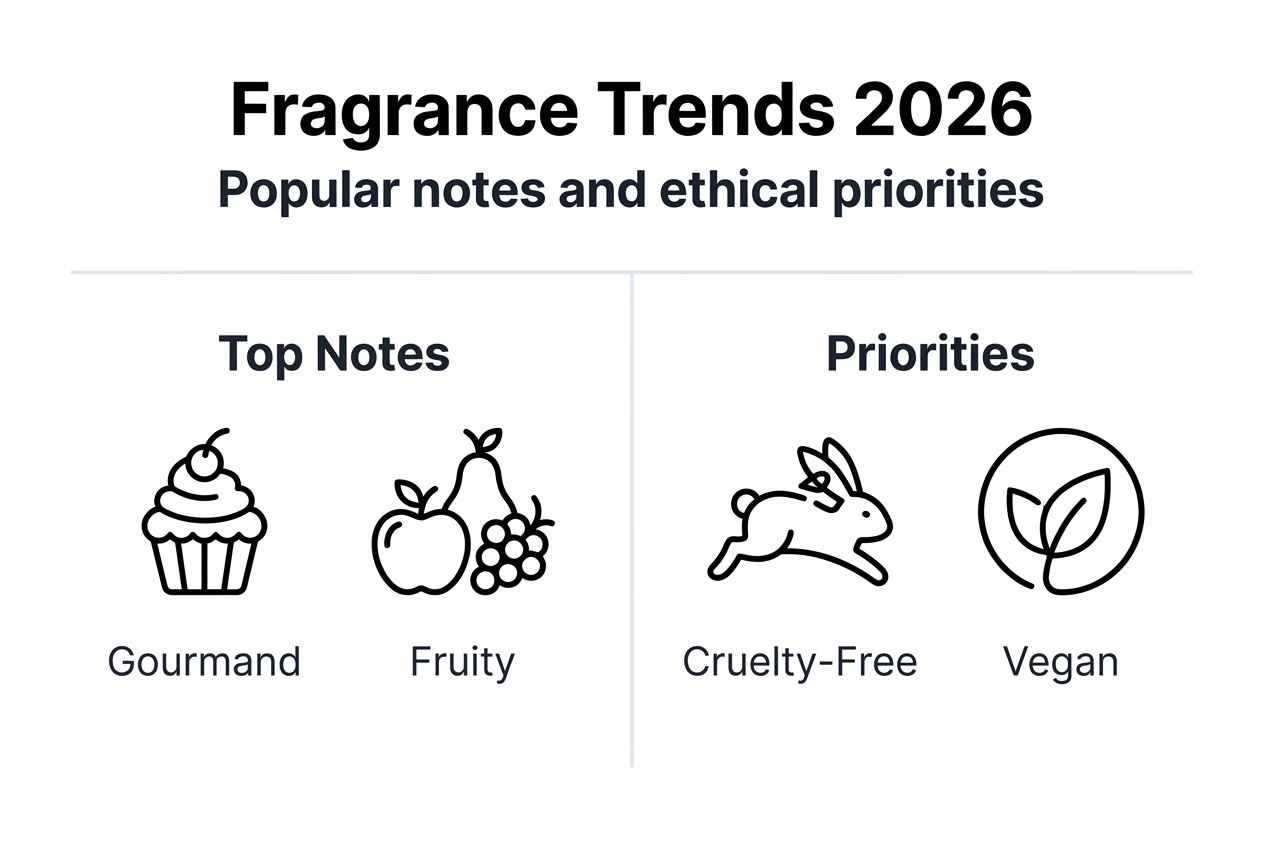
Sustainability stands central to 2026 fragrance development. Synthetic alternatives to rare natural materials gain ground as brands recognize both ethical imperatives and supply chain reliability. 41% of fragrance market searches now focus on cruelty-free, vegan, and sustainable scents, demonstrating mainstream acceptance of ethical fragrance priorities.
Cultural influences and storytelling enrich contemporary scent experiences:
- Wellness-focused perfumes incorporating adaptogens and aromatherapeutic benefits
- Skin-ification trend bringing hydrating, nourishing textures to fragrance application
- Cultural narratives connecting scents to heritage, travel, and personal identity
- Seasonal collections reflecting natural cycles and environmental awareness
- Gender-neutral formulations expanding beyond traditional marketing categories
The shift toward cruelty-free options influences product development across all price points. Consumers expect brands to demonstrate values alignment through certifications, transparent sourcing, and sustainability commitments that extend beyond marketing claims.
Understanding fragrance families helps consumers navigate expanding options. Floral, woody, oriental, fresh, and gourmand categories provide frameworks for exploration while allowing personalization through layering and seasonal rotation.
The decline of rigid signature scents reflects broader cultural shifts toward authenticity and self-expression. Modern consumers curate fragrance wardrobes matching moods, occasions, and evolving identities rather than committing to single scent representations.
Ethical ingredient sourcing and sustainability in designer-inspired perfume production
Sustainable ingredient sourcing forms the foundation of ethical designer-inspired perfume production. Brands partner with farms practicing regenerative agriculture and fair labor standards, ensuring ingredient quality while supporting farming communities. These partnerships create transparent supply chains that consumers can verify through certifications and brand disclosures.
Synthetic alternatives replace animal-derived ingredients like musk, ambergris, and civet while maintaining scent fidelity and performance. Lab-created compounds offer consistency impossible with natural materials subject to seasonal variation, endangered species concerns, or ethical objections. Modern synthetic musks, for example, provide clean, long-lasting base notes without animal exploitation.
More than 90% of consumers expect ingredient transparency and cruelty-free, vegan certifications when evaluating fragrance brands. This expectation drives industry changes toward fuller disclosure and third-party verification of ethical claims. Certifications from organizations like Leaping Bunny, PETA, and Vegan Society provide trusted validation.
| Ingredient Type | Traditional Source | Ethical Alternative | Benefits |
|---|---|---|---|
| Musk | Animal glands | Synthetic musks | Cruelty-free, consistent, long-lasting |
| Ambergris | Whale digestive system | Plant-based fixatives | Sustainable, vegan, comparable performance |
| Civet | Civet cat glands | Synthetic civet | Ethical, reliable supply |
| Rose absolute | Pesticide-treated farms | Organic cultivation | Chemical-free, supports sustainable farming |
| Sandalwood | Endangered trees | Plantation-grown or synthetic | Protects wild populations |
Packaging sustainability complements ingredient ethics:
- Recyclable glass bottles reducing plastic waste
- Refillable containers extending product lifecycle
- Minimal packaging eliminating unnecessary materials
- Biodegradable shipping materials supporting circular economy
- Carbon-neutral shipping options offsetting environmental impact
Pro Tip: Verify sustainability claims by checking for specific certifications rather than relying on marketing language. Look for B Corp certification, carbon-neutral shipping verification, and recyclable packaging symbols.
Transparency builds consumer confidence in designer-inspired scents. Brands publishing full ingredient lists, sourcing information, and sustainability reports demonstrate commitment beyond superficial green marketing. This openness allows informed perfume choices aligned with personal values.
Common misconceptions about designer-inspired perfumes and cruelty-free labels
Several persistent misconceptions prevent consumers from exploring designer-inspired perfumes despite quality improvements and ethical commitments. Understanding these myths enables informed purchasing decisions based on actual product attributes rather than outdated assumptions.
Misconception: Designer-inspired means poor-quality copies lacking sophistication or longevity. Reality: Many designer-inspired perfumes use extrait de parfum formulations with premium ingredients delivering luxury experiences. Concentration levels and ingredient quality determine performance, not brand heritage alone.
Misconception: Cruelty-free vegan perfumes cannot match the richness or lasting power of traditional fragrances. Reality: Sophisticated synthetic musks and plant-based oils replicate and often surpass animal-derived ingredients in consistency and performance. Modern formulation science achieves remarkable depth without ethical compromise.
Misconception: Designer-inspired implies unethical or unauthorized copying of intellectual property. Reality: Legal replication with transparent formulations distinguishes ethical designer-inspired perfumes from counterfeit products. These fragrances honor original scent profiles while maintaining independent brand identity and responsible production.
Common confusions to clarify:
- Vegan certification guarantees absence of animal ingredients but does not automatically ensure cruelty-free testing practices
- Cruelty-free certification verifies no animal testing but does not guarantee vegan formulation
- Both certifications together provide comprehensive ethical assurance
- Natural ingredients are not inherently superior to synthetic alternatives in quality or sustainability
- Price alone does not indicate formulation quality or ethical standards
Consumers should verify certifications and ingredient details rather than making assumptions based on pricing or brand positioning. Choosing cruelty-free perfume requires examining specific product attributes and brand commitments beyond surface-level marketing.
How to choose and shop for designer-inspired perfumes today
Navigating the designer-inspired perfume market requires strategic evaluation of quality indicators, certifications, and brand transparency. Following systematic steps ensures purchases align with both scent preferences and ethical values.
-
Verify cruelty-free and vegan certifications from recognized organizations. Look for Leaping Bunny, PETA Beauty Without Bunnies, or Vegan Society logos confirming third-party verification. Check certification databases directly rather than relying solely on brand claims.
-
Evaluate extrait de parfum concentration for superior longevity and richness. Concentration levels between 20% and 40% provide luxury experiences comparable to high-end designer originals. Eau de parfum (15% to 20%) offers lighter alternatives for those preferring subtlety.
-
Assess scent profile fidelity through detailed reviews and fragrance family classifications. Understanding whether a perfume falls into floral, woody, oriental, fresh, or gourmand categories helps predict compatibility with personal preferences. Read multiple reviews to gauge consensus on accuracy and performance.
-
Consider pricing benchmarks ensuring affordability without quality compromise. Designer-inspired perfumes typically range from $27 to $99 per 50ml, offering substantial savings compared to $150 to $400 designer originals. Prices significantly below this range may indicate diluted formulations or questionable sourcing.
-
Use personalized tools like scent finder quizzes to discover matches aligned with preferences and values. Personalized shopping tools improve match accuracy and reduce returns by up to 30%, making fragrance discovery more efficient and satisfying.
Additional evaluation factors:
- Ingredient transparency through complete component listings
- Packaging sustainability including recyclable materials and refill options
- Brand commitment to ongoing sustainability and ethical improvements
- Customer service quality including return policies and consultation availability
- Educational resources helping consumers understand fragrance composition and care
Pro Tip: Test perfumes on skin rather than paper strips when possible. Body chemistry affects scent development, so samples reveal true compatibility better than abstract descriptions.
Beware of marketing claims lacking certification verification. Generic terms like “natural,” “clean,” or “eco-friendly” without specific standards provide little meaningful information. Focus on choosing clean, cruelty-free scents with documented ethical practices.
Explore alternatives to mainstream platforms specializing in designer-inspired fragrances. Dedicated retailers often provide superior curation, expertise, and customer support compared to generalist beauty retailers.
Explore premium cruelty-free designer-inspired perfumes at PARFUM.NYC
Having learned how to evaluate ethical designer-inspired perfumes, discover curated collections that embody these principles at PARFUM.NYC. This NYC-based platform specializes in premium extrait de parfum formulations replicating luxury fragrances through transparent, cruelty-free, vegan ingredient sourcing.
PARFUM.NYC offers affordability without compromising formulation quality or ethical standards. Their designer-inspired fragrance collection features scent profiles spanning floral, woody, oriental, fresh, and gourmand families, providing options for diverse preferences and occasions. Each product emphasizes longevity through high-concentration formulations engineered for lasting wear.
Shop confidently with modern tools including scent finder quizzes personalizing recommendations based on individual preferences. Free shipping, 30-day satisfaction returns, and transparent ingredient information support informed purchasing decisions. Explore bestselling options and new releases crafted for fragrance enthusiasts prioritizing both sensory delight and ethical responsibility.
FAQ
What does extrait de parfum mean, and why is it important?
Extrait de parfum represents the highest fragrance concentration, typically containing 20% to 40% fragrance oils compared to 15% to 20% in eau de parfum or 5% to 15% in eau de toilette. This concentration delivers richer scent depth and longer wear time, often lasting 8 to 12 hours or more. Designer-inspired perfumes with extrait de parfum formulation provide luxurious experiences rivaling original designer products at accessible price points.
Are all designer-inspired perfumes cruelty-free and vegan?
Not all designer-inspired perfumes meet cruelty-free and vegan standards. Some may contain animal-derived ingredients like musk, ambergris, or beeswax, or involve animal testing in development or manufacturing. Look for specific certifications from organizations like Leaping Bunny, PETA, or Vegan Society confirming ethical practices. Choosing cruelty-free perfume requires verifying brand commitments through transparent ingredient lists and third-party certification rather than assuming all designer-inspired options meet these standards.
How can I find a designer-inspired perfume that matches my favorite luxury scent?
Use personalized scent quizzes and detailed fragrance family classifications to identify matches for preferred luxury scents. Read comprehensive reviews focusing on scent profile accuracy, longevity, and progression through top, middle, and base notes. Verify ingredient lists confirming formulation quality and ethical sourcing. Many specialized retailers provide consultation services and sample programs supporting informed exploration. Choosing the right perfume becomes easier with tools designed to match individual preferences and values systematically.
Do cruelty-free vegan perfumes last as long as traditional designer scents?
High-quality cruelty-free vegan perfumes achieve comparable or superior longevity to traditional designer fragrances through sophisticated synthetic musks and plant-based fixatives. Concentration level matters more than ingredient origin for lasting power. Extrait de parfum formulations in vegan perfumes deliver 8 to 12 hours of wear matching luxury originals. Modern synthetic alternatives often provide greater consistency than animal-derived ingredients subject to natural variation, ensuring reliable performance across batches.


